
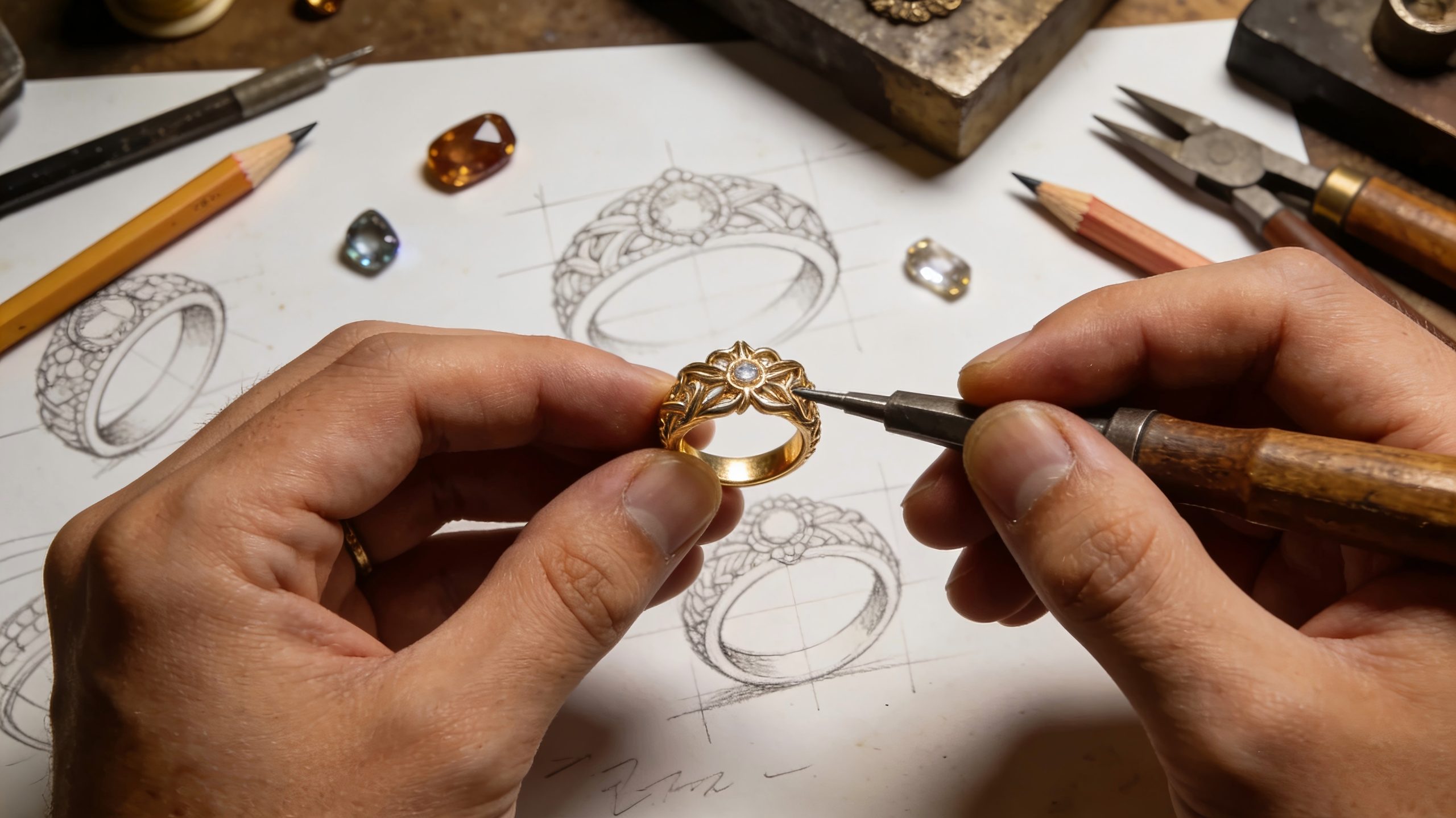
The Definitive Guide to Bespoke, Personalized & Custom-Made Jewelry
In a world saturated with mass-produced accessories, custom jewelry stands apart as a deeply personal form of self-expression. But what exactly is custom jewelry, and why has it captured the hearts of discerning buyers worldwide?
Whether you’re considering a custom engagement ring, looking to transform a family heirloom, or simply curious about the craft behind bespoke pieces, this comprehensive guide will walk you through everything you need to know about custom-made jewelry—from the design process and costs to the emotional value that makes each piece irreplaceable.
What Is Custom Jewelry? A Clear Definition
Custom jewelry refers to any piece of jewelry that is designed and crafted specifically for an individual client, taking into account their unique preferences, style, and specifications. Unlike ready-made or mass-produced jewelry found in retail stores, custom pieces are one-of-a-kind creations that reflect the wearer’s personality, commemorate special moments, or carry deep personal significance.
At its core, the custom jewelry meaning extends beyond mere aesthetics. It represents a collaborative journey between you and a skilled jeweler—a process where your vision, story, and emotions are transformed into a tangible, wearable piece of art.
Key Characteristics of True Custom Jewelry
Characteristic | What It Means |
|---|---|
Unique Design | Created from scratch based on your vision—no two pieces are identical |
Client Collaboration | You work directly with the designer throughout the entire process |
Material Selection | Full control over metals, gemstones, and every design element |
Perfect Fit | Tailored to your exact measurements for optimal comfort and appearance |
Personal Story | Incorporates meaningful symbols, dates, or elements that tell your story |
Custom vs. Personalized vs. Bespoke: Understanding the Differences
The terms “custom,” “personalized,” and “bespoke” are often used interchangeably, but they represent distinctly different levels of customization. Understanding these differences is crucial when shopping for jewelry.
Personalized Jewelry
Personalized jewelry involves adding personal touches to an existing design. Think of it as choosing from a menu of options. Common personalizations include adding an engraving (names, dates, or messages), selecting a birthstone, choosing between available metal colors (gold, silver, rose gold), or picking from preset sizes. The base design remains unchanged—you’re simply customizing the finish.
Custom-Made Jewelry
Custom-made jewelry goes further by modifying existing designs to suit your preferences. You might change the center stone shape, adjust proportions, combine elements from different designs, or request modifications to the setting style. The jeweler starts with a foundation but adapts it significantly based on your input.
Bespoke Jewelry
Bespoke jewelry represents the highest level of customization. The piece is designed entirely from scratch, with no existing template. Every aspect—from the initial concept to the final polish—is created specifically for you. The term “bespoke” originates from 18th-century English tailoring, meaning “to speak for” or reserve in advance, emphasizing the exclusive, made-to-order nature of these creations.
Quick Comparison: Custom vs. Mass-Produced Jewelry
Factor | Custom Jewelry | Mass-Produced |
|---|---|---|
Uniqueness | One-of-a-kind | Identical copies exist |
Design Control | Complete control | Limited to available options |
Craftsmanship | Artisan attention to detail | Assembly-line production |
Timeline | 3-10 weeks typically | Immediate availability |
Price Range | $500 – $50,000+ | $50 – $5,000 |
Emotional Value | Deeply personal | Generic |
Heirloom Potential | High | Low to moderate |
The Custom Jewelry Design Process: From Vision to Reality
Understanding the custom jewelry design process helps set realistic expectations and ensures a smooth collaboration with your jeweler. While each artisan may have their own approach, most follow a similar pathway from concept to completion.
Step 1: Initial Consultation
Every custom piece begins with a conversation. During this discovery phase, you’ll share your inspiration, whether that’s a rough sketch on a napkin, a Pinterest board, a photo of a vintage piece, or simply a feeling you want the jewelry to evoke. The jeweler will ask questions about your lifestyle (will you wear this daily or for special occasions?), your aesthetic preferences, any existing pieces you’d like to incorporate, and your budget range.
Many jewelers offer free initial consultations, either in person or via video call. This is your opportunity to gauge their understanding of your vision and assess whether their style aligns with yours.
Step 2: Design Development
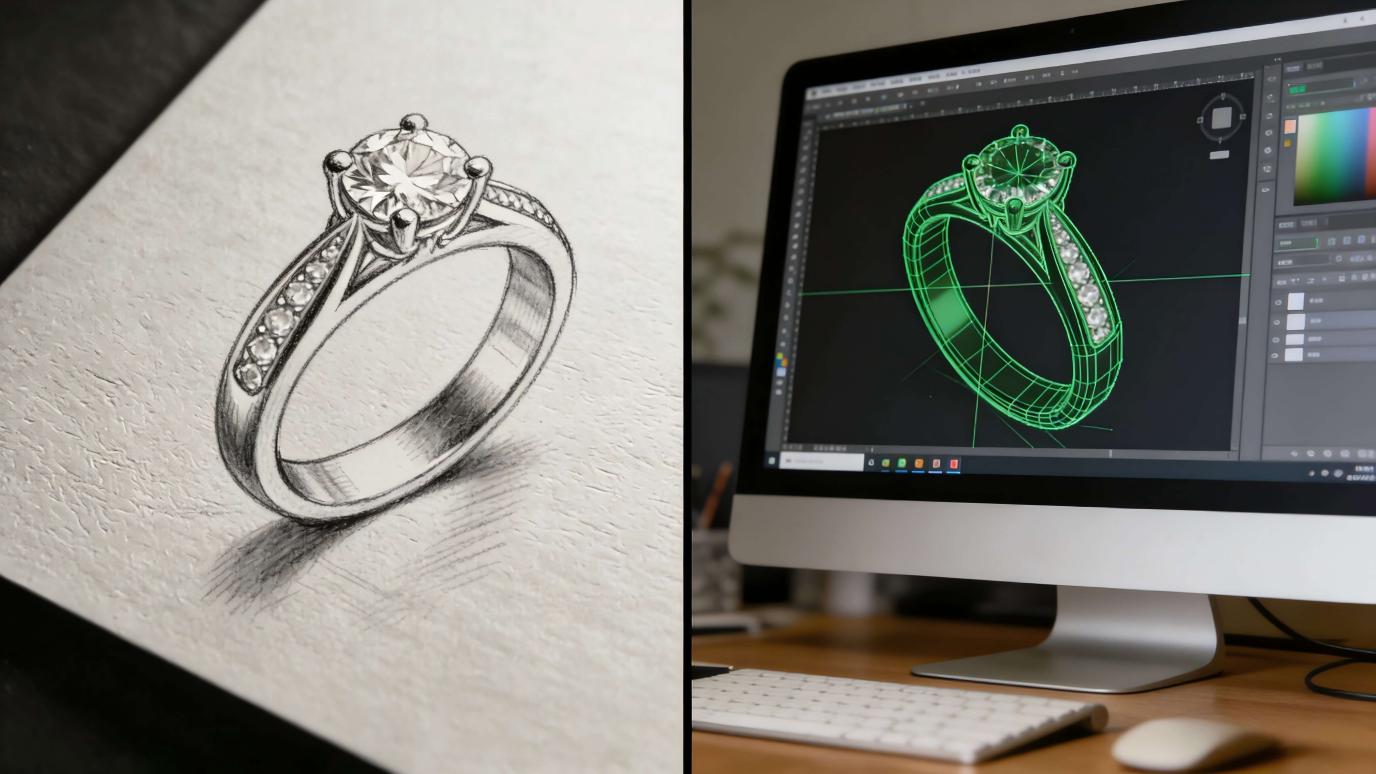
Based on your consultation, the designer creates initial sketches or digital renderings. Modern jewelers often use CAD (Computer-Aided Design) software, which produces precise 3D models you can view from every angle. This technology allows for accurate visualization before any physical work begins.
Expect at least one or two revision rounds—this iterative process is essential for achieving perfection. Don’t hesitate to provide honest feedback; skilled jewelers appr eciate clarity and want you to be completely satisfied.
Step 3: Material Selection
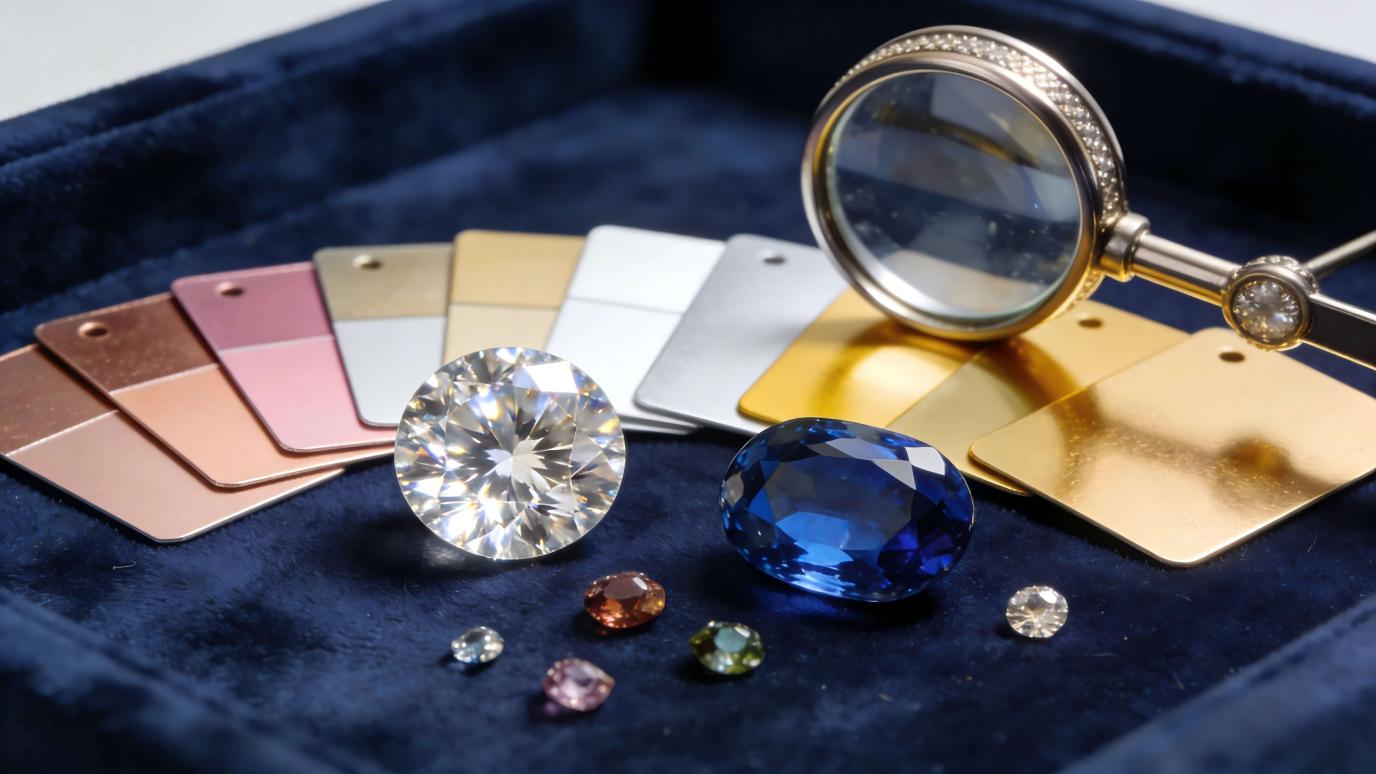
Once the design is finalized, you’ll select materials. This includes choosing the metal type (yellow gold, white gold, rose gold, platinum, sterling silver, or alternative metals), the gemstones (diamonds, colored gems, or lab-grown alternatives), and any additional elements like enamel work or mixed metals.
Your jeweler should provide guidance on material quality, durability considerations, and how different choices affect the final price. For gemstones, you’ll typically review the Four Cs (cut, clarity, color, carat) for diamonds or equivalent quality factors for other stones.
Step 4: Wax Model or 3D Prototype
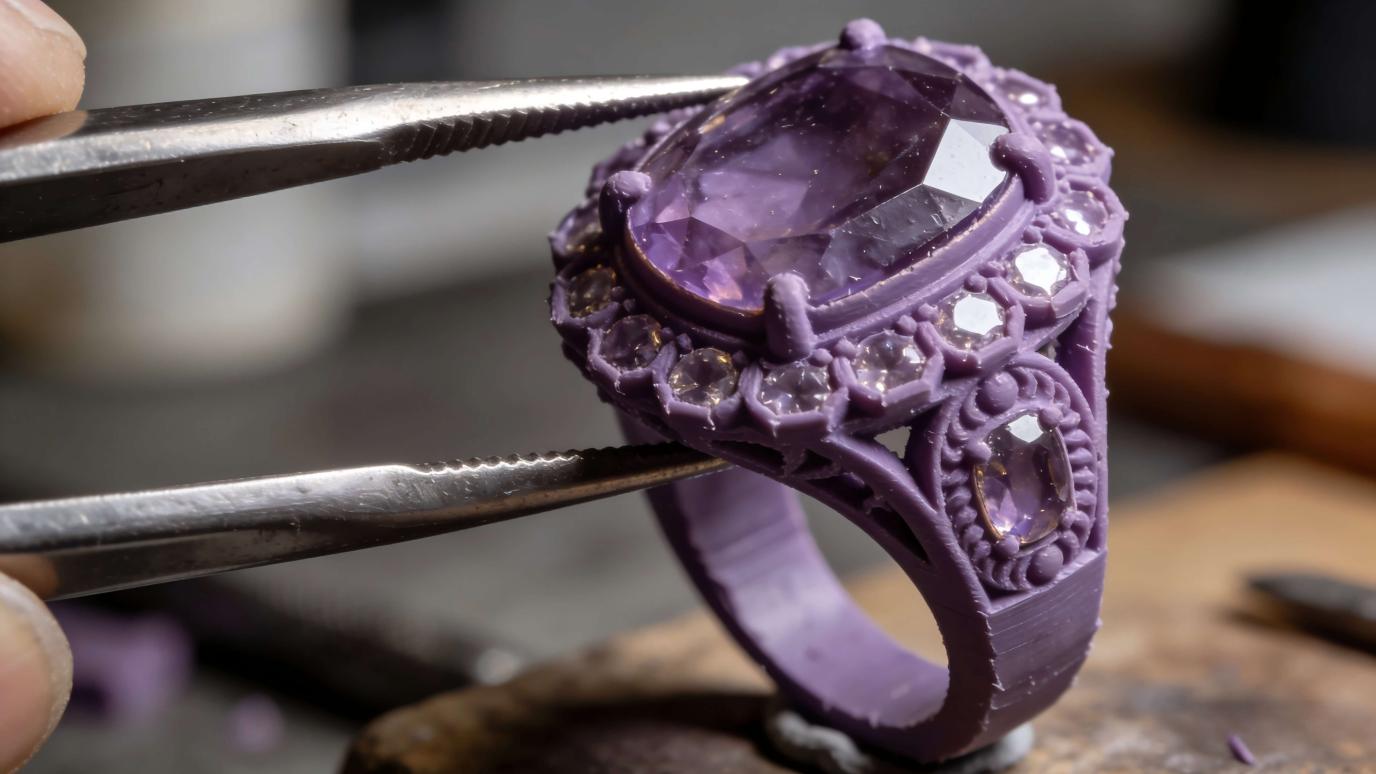
For complex designs, many jewelers create a wax model or 3D-printed prototype. This physical sample lets you see and feel the piece before committing to the final production. You can try it on, check proportions, and make any last-minute adjustments.
This step is particularly valuable for engagement rings or statement pieces where fit and visual impact are crucial.
Step 5: Casting and Fabrication
With your approval, the jeweler moves to production. The wax model is used to create a mold, into which molten metal is poured—a technique known as lost-wax casting. Alternatively, some pieces are hand-fabricated, with the jeweler shaping metal directly using traditional techniques.
Step 6: Stone Setting
If your design includes gemstones, a skilled setter meticulously places each stone. This requires precision and expertise—improper setting can lead to loose stones or damage. The setting type (prong, bezel, channel, pavé) affects both the appearance and security of your gems.
Step 7: Finishing Touches
The final stage involves polishing, texturing (if desired), and quality inspection. Any engravings are added, and the piece is thoroughly cleaned. Before delivery, a reputable jeweler will conduct a comprehensive check to ensure every detail meets their standards—and yours.
Types of Custom Jewelry: What Can You Create?
The beauty of custom jewelry lies in its limitless possibilities. Here are the most popular categories:
Custom Engagement Rings
The custom engagement ring market has exploded as couples seek unique symbols of their love. You can design a ring that incorporates meaningful elements—your partner’s favorite flower, a constellation, or a hidden message—while choosing the perfect diamond or colored gemstone.
Custom Wedding Bands
Matching or complementary custom wedding bands ensure your rings are as unique as your relationship. Popular customizations include fingerprint engravings, mixed metals, and designs that interlock or complete a pattern when worn together.
Custom Necklaces and Pendants
From name necklaces to elaborate pendants featuring family crests, custom necklaces offer endless creative freedom. Consider incorporating birthstones for family pieces or designing symbolic pendants that carry personal meaning.
Heirloom Redesign
Transforming inherited jewelry into modern pieces is a meaningful way to honor family history while creating something you’ll actually wear. A dated cocktail ring can become a sleek pendant; grandmother’s diamonds can be reset into a contemporary engagement ring. 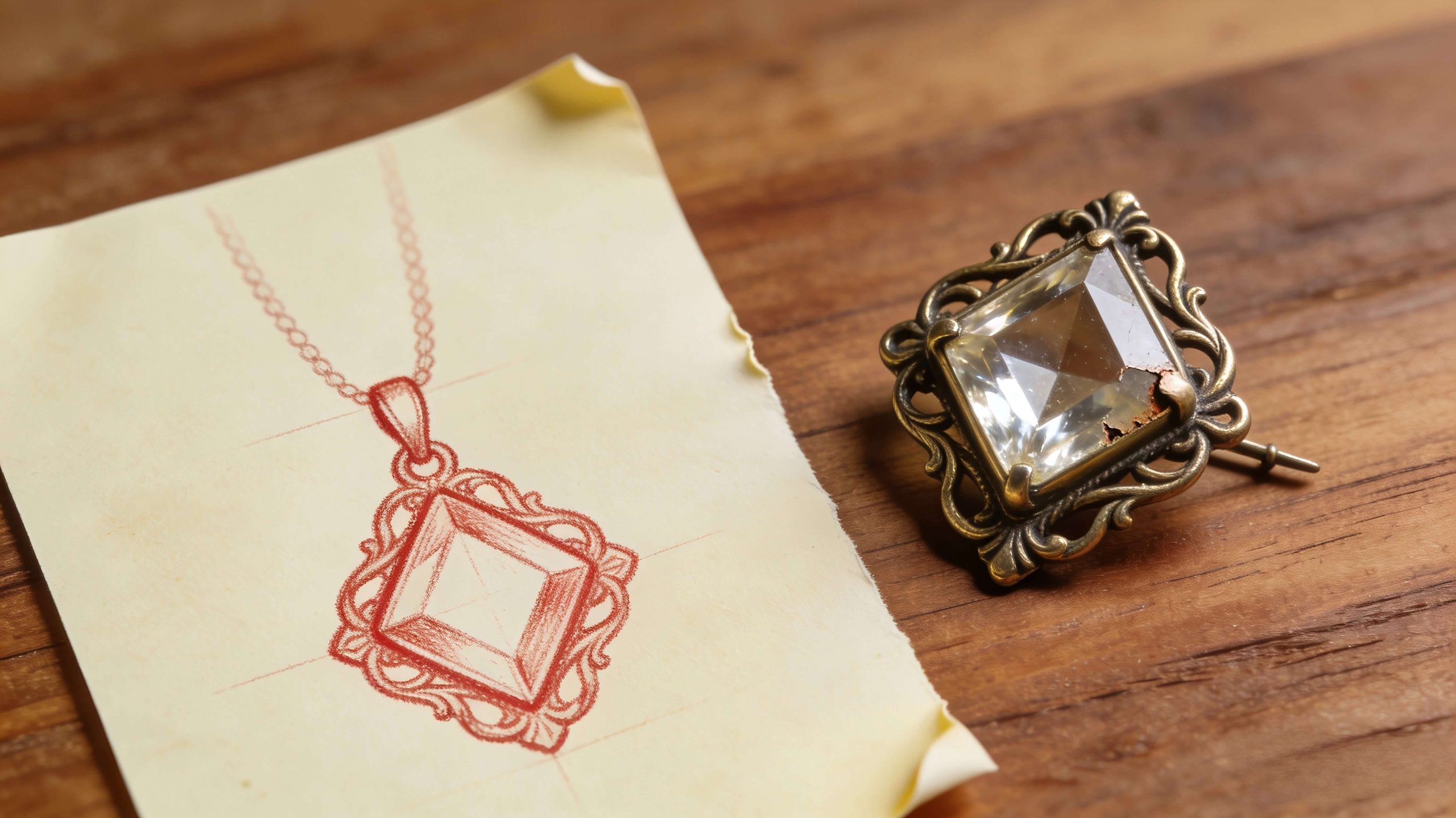
Memorial and Tribute Jewelry
Custom pieces can memorialize loved ones through incorporated ashes, hair, handwriting reproductions, or symbolic designs. These deeply personal pieces serve as tangible connections to those we’ve lost.
How Much Does Custom Jewelry Cost?
One of the most common questions is: “How much does custom jewelry cost?” The honest answer is: it varies widely based on several factors.
Factors That Influence Custom Jewelry Pricing
1. Design Complexity
Intricate designs with detailed engravings, multiple elements, or unusual structures require more time and skill, increasing labor costs.
2. Material Selection
Precious metals and gemstones constitute the largest portion of most custom pieces. Platinum costs more than gold; natural diamonds exceed lab-grown alternatives; rare colored gems command premium prices.
3. Labor and Expertise
Master jewelers with decades of experience and specialized skills charge accordingly. Their expertise, however, often results in superior craftsmanship and fewer issues down the line.
4. Design Fees
Some jewelers charge separately for CAD design work ($100-$500 typically), while others include it in the final price. Multiple revision rounds may incur additional fees.
Typical Price Ranges
Piece Type | Estimated Cost Range |
|---|---|
Simple custom band (silver) | $300 – $800 |
Custom pendant (gold) | $800 – $2,500 |
Custom engagement ring (mid-range) | $3,000 – $8,000 |
Luxury bespoke piece | $10,000 – $50,000+ |
Heirloom redesign | $500 – $3,000 (labor only) |
Pro Tip: Work with your jeweler to find creative solutions that honor your vision while respecting your budget. Sometimes choosing a slightly smaller center stone or an alternative gemstone can dramatically reduce costs without compromising beauty.
How Long Does Custom Jewelry Take to Make?
Unlike walking into a store and leaving with a purchase, custom jewelry requires patience. The timeline varies based on complexity, your responsiveness during the approval process, and the jeweler’s current workload.
Typical Timelines
- Simple modifications to existing designs: 2-3 weeks
- Standard custom pieces: 4-6 weeks
- Complex bespoke designs: 8-12 weeks
- Pieces requiring rare gemstone sourcing: 3-6 months
If you’re designing an engagement ring for a specific proposal date or need a piece for a milestone event, communicate your deadline upfront. Most jewelers can accommodate rush orders for an additional fee, though this shouldn’t mean compromising on quality.
7 Compelling Benefits of Choosing Custom Jewelry
1. Absolute Uniqueness
Your custom piece will never be replicated. In an age of mass production, owning something truly one-of-a-kind holds profound value.
2. Perfect Expression of Personal Style
Rather than settling for “close enough,” custom jewelry allows you to manifest exactly what you envision—down to the smallest detail.
3. Superior Quality and Craftsmanship
Custom pieces receive individual attention from skilled artisans, often resulting in higher quality than mass-produced alternatives.
4. Emotional Significance
The story behind your custom piece—the design choices, the collaboration, the meaning embedded in every element—creates an emotional connection that store-bought jewelry cannot match.
5. Perfect Fit
Custom jewelry is made to your exact specifications, ensuring comfort and proper proportions for your body.
6. Ethical Control
You can ensure your piece uses ethically sourced materials, conflict-free diamonds, recycled metals, or lab-grown stones—whatever aligns with your values.
7. Heirloom Potential
A well-crafted custom piece, designed with timeless appeal, can become a treasured family heirloom passed through generations.
How to Find the Right Custom Jeweler
The success of your custom jewelry project hinges on finding the right collaborator. Here’s what to look for:
Review Their Portfolio
A jeweler’s past work reveals their style, skill level, and range. Look for pieces similar to what you envision and examine the craftsmanship in detail photos.
Check Reviews and References
Client testimonials offer insight into the collaboration experience. Pay attention to comments about communication, meeting deadlines, and handling revisions.
Evaluate Communication Style
Your jeweler should listen attentively, ask clarifying questions, and explain options clearly. If you feel rushed or unheard during the consultation, consider other options.
Understand Their Process
Ask about their workflow, timeline, revision policy, and what’s included in their pricing. Transparency here prevents misunderstandings later.
Verify Credentials
Look for certifications from organizations like the Gemological Institute of America (GIA) or membership in professional associations like the American Gem Society.
Essential Questions to Ask Your Custom Jeweler
Before committing, ensure you have clarity on these key points:
- What is your design process, and how many revisions are included?
- Will I see a CAD rendering or wax model before production?
- What is the total cost, and what does that include?
- What is the expected timeline from design to delivery?
- Can you source ethically produced materials?
- What warranty or guarantee do you offer?
- Do you provide certification for gemstones?
- What happens if I’m not satisfied with the final piece?
- Do you offer maintenance services after delivery?
Is Custom Jewelry Right for You?
Custom jewelry isn’t for everyone or every occasion. Consider the custom route if:
- You have a specific vision that mass-produced options can’t satisfy
- You want to commemorate a significant milestone with something meaningful
- You have heirloom pieces you’d like to transform
- You have non-standard sizing needs
- You value uniqueness and personal expression
- You have time to invest in the design process
On the other hand, if you need something immediately, have a very limited budget, or are perfectly happy with available designs, ready-made jewelry may better suit your needs.
Final Thoughts: Your Story, Your Jewelry
Custom jewelry represents more than a purchase—it’s a creative journey that results in a piece as unique as your fingerprint. Whether you’re designing an engagement ring that captures your love story, transforming a family heirloom for modern wear, or simply creating something that speaks to your soul, the custom process offers an unparalleled opportunity for self-expression.
The investment in custom jewelry extends beyond monetary value. It encompasses time, collaboration, creativity, and emotion—all of which crystallize into a tangible object you can wear, cherish, and eventually pass on.
As you embark on your custom jewelry journey, remember: the best piece isn’t necessarily the most expensive or elaborate. It’s the one that resonates with your story, fits your life, and brings you joy every time you put it on.
“Custom jewelry doesn’t just adorn the body—it tells the story of who we are, what we love, and what we celebrate.”
Frequently Asked Questions
What is custom jewelry?
Custom jewelry is any piece designed and crafted specifically for an individual client based on their unique preferences, style, and specifications. Unlike mass-produced jewelry, each custom piece is one-of-a-kind.
Is custom jewelry more expensive than store-bought?
Not necessarily. While custom jewelry can be more expensive due to personalized design work and craftsmanship, you have control over materials and complexity. Many people find custom pieces offer better value because every element is chosen intentionally.
How long does it take to make custom jewelry?
Typically 3-8 weeks for standard custom pieces. Simple modifications may take 2-3 weeks, while complex bespoke designs can require 2-3 months or more, especially if sourcing rare materials.
Can I use my own gemstones in a custom piece?
Yes! Many clients incorporate inherited diamonds, gemstones from old jewelry, or stones purchased separately. Your jeweler will assess the stones for quality and design compatibility.
What’s the difference between custom and bespoke jewelry?
Bespoke jewelry is created entirely from scratch with no existing template. Custom jewelry may involve modifying existing designs. Bespoke represents the highest level of personalization and exclusivity.
Do I need to know exactly what I want before starting?
No. Many clients begin with just a feeling, a rough idea, or inspiration images. A skilled jeweler will guide you through the process, asking questions and offering suggestions to help crystallize your vision.