
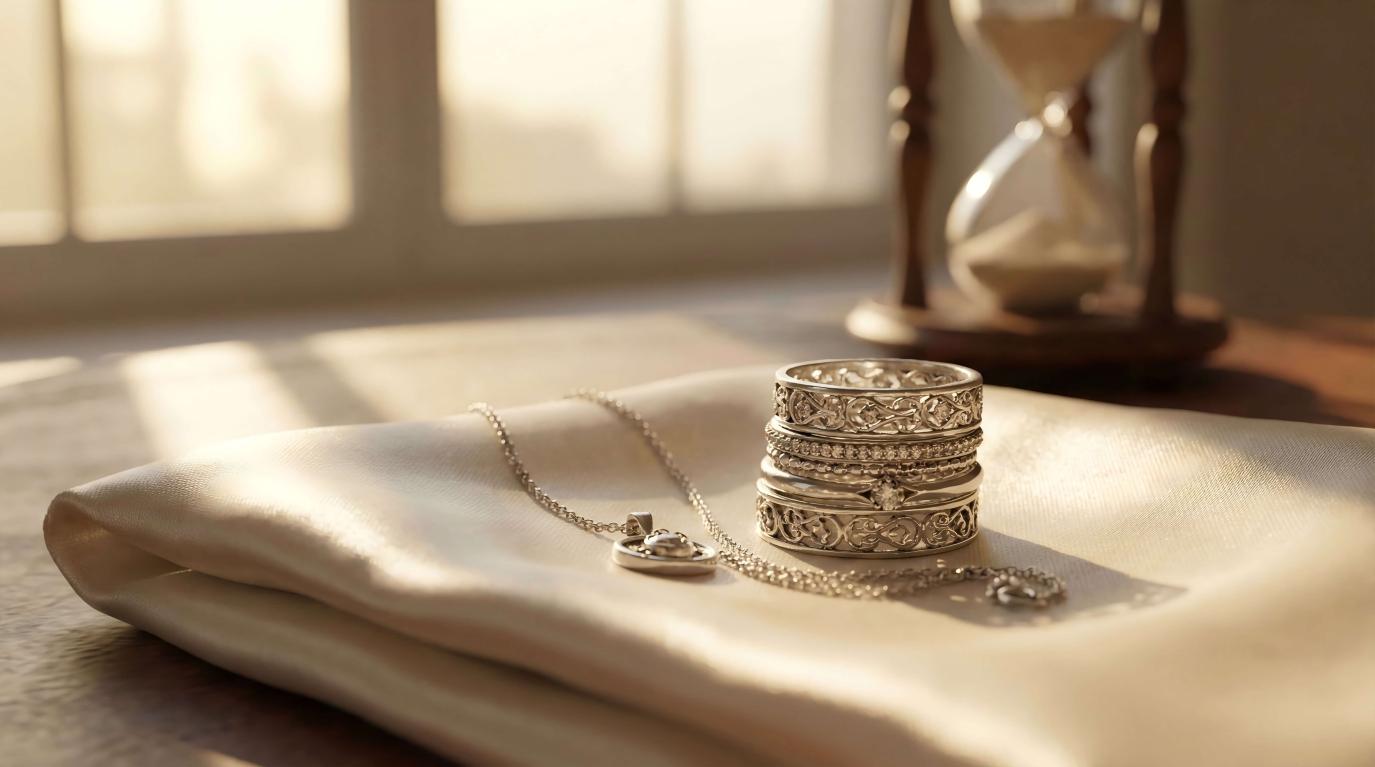
The Complete 2026 Guide to Lifespan, Durability & Expert Care Tips
If you’re considering purchasing silver plated jewelry or already own a few pieces, you’ve probably asked yourself: how long does silver plated jewelry last? The short answer is 6 months to 4 years, depending on several critical factors including plating thickness, base metal quality, wear frequency, and maintenance habits.
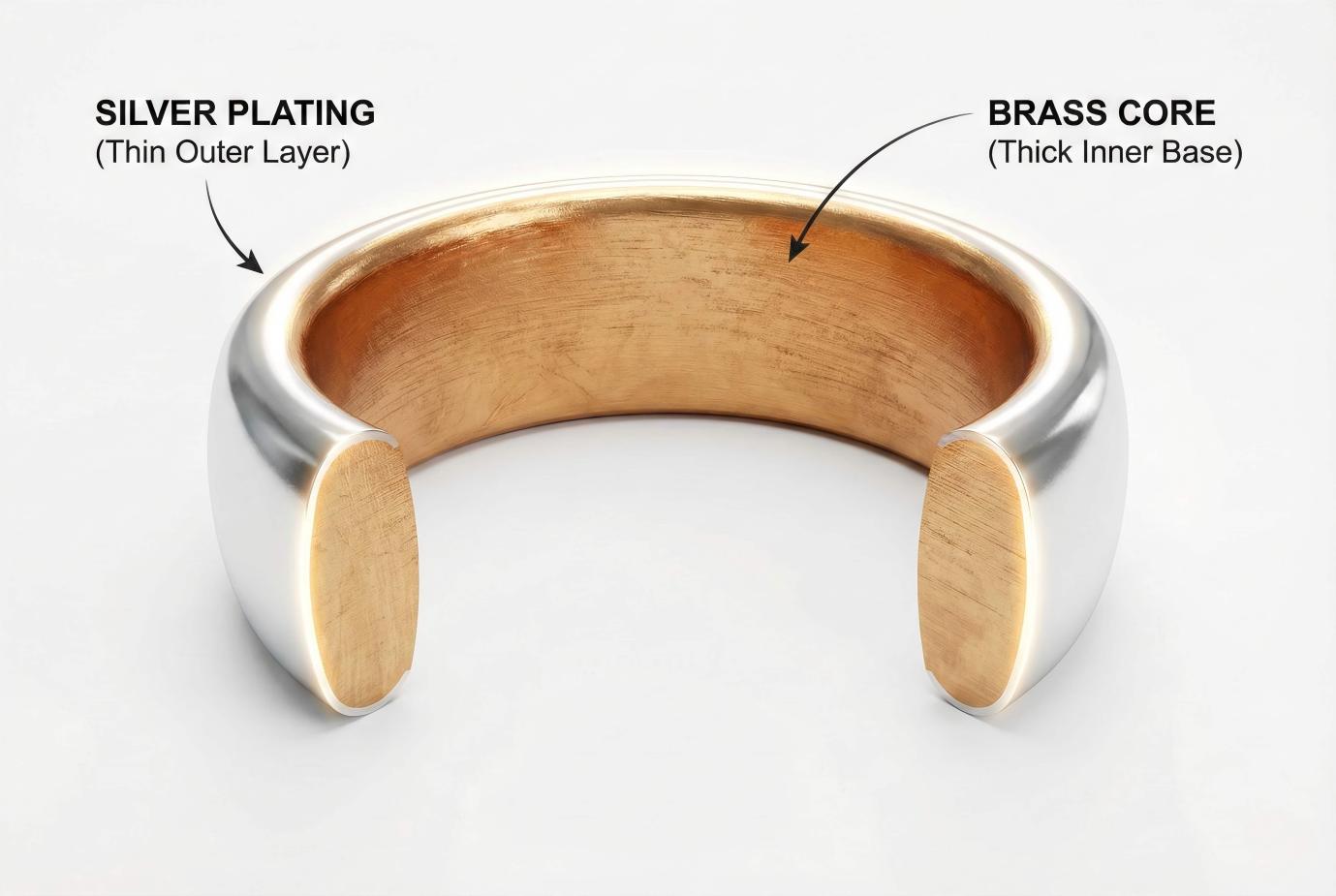
Unlike sterling silver or solid silver jewelry that can last generations, silver plated pieces feature a thin layer of silver electroplated onto a base metal—typically brass, copper, or nickel. This construction makes them significantly more affordable while delivering the elegant silver appearance many people love. However, understanding the true silver plated jewelry lifespan requires a deeper look at the science behind the plating process and the factors that influence durability.
In this comprehensive guide, we’ll explore exactly what determines how long your silver plated jewelry will maintain its shine, provide specific lifespan estimates for different jewelry types, and share expert-backed tips to maximize the longevity of your collection.
What is Silver Plated Jewelry? Understanding the Basics
Before diving into lifespan specifics, it’s essential to understand what silver plated jewelry actually is and how it differs from other silver jewelry types.
Silver plated jewelry is created through a process called electroplating, where an electric current is used to deposit a thin layer of pure silver or sterling silver onto a base metal substrate. The thickness of this silver layer is measured in microns (one micron equals one-thousandth of a millimeter), and this measurement is the single most important factor in determining how long your jewelry will last.
Silver Plating Thickness: Quality Tiers Explained
Plating Quality | Thickness (Microns) | Expected Lifespan |
|---|---|---|
Flash Plating (Low Quality) | < 0.5 microns | 1-6 months |
Standard Plating | 0.5-1.0 microns | 6 months – 2 years |
Quality Plating | 1.0-2.5 microns | 2-4 years |
Heavy Plating (Premium) | 2.5+ microns | 4-5+ years |
Pro Tip: Fast fashion jewelry often uses flash plating under 0.5 microns, which explains why budget pieces can wear off within weeks. When shopping, look for terms like “heavy plated” or ask about micron thickness to ensure better silver plated jewelry durability.
How Long Does Silver Plated Jewelry Last by Type?
Not all silver plated jewelry wears at the same rate. The lifespan varies significantly based on how much friction, moisture, and contact each piece experiences during daily wear. Here’s a detailed breakdown:
Silver Plated Rings: 6 Months to 1 Year
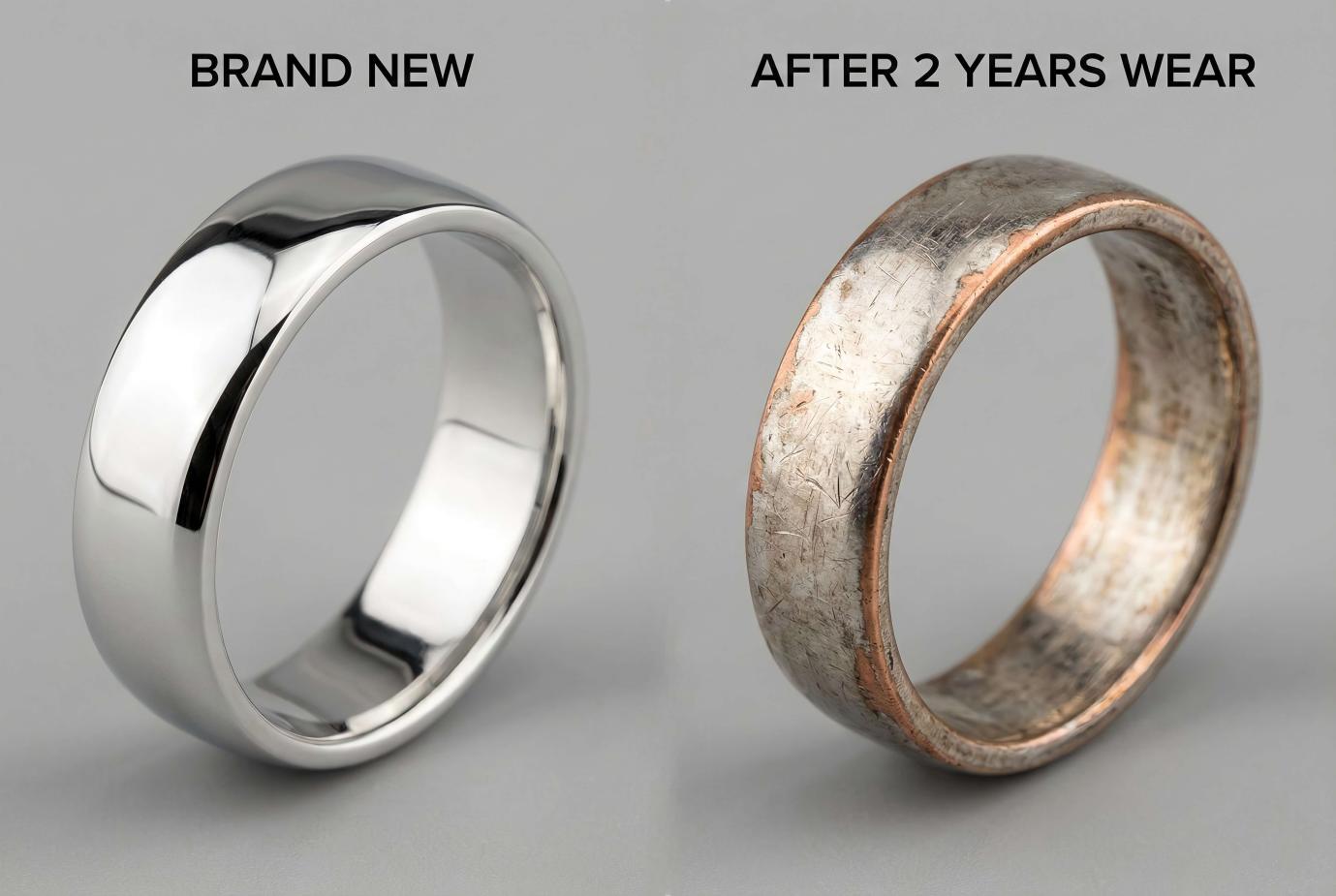
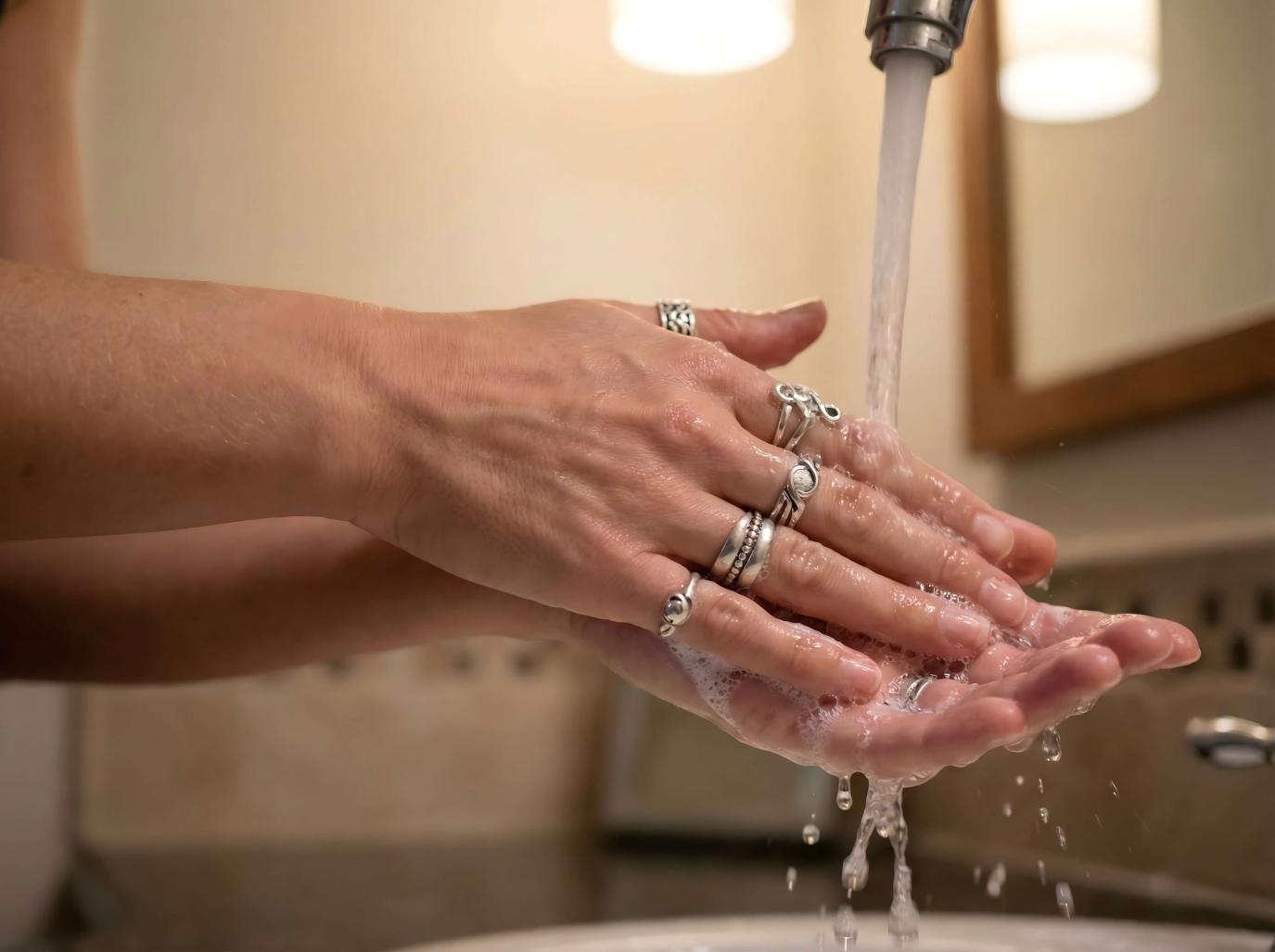
Rings experience the most wear of any jewelry type. Your hands constantly contact surfaces—doorknobs, keyboards, steering wheels, dishes—creating continuous friction that gradually erodes the silver layer. Combined with exposure to hand soap, sanitizers, and moisture from handwashing, silver plated rings face relentless degradation.
For daily wearers, expect visible signs of wear within 6-12 months. Occasional-wear rings can last 1-2 years or longer. If you love the look of silver but need everyday durability, consider sterling silver or stainless steel rings as more practical alternatives.
Silver Plated Bracelets: 1 to 2 Years
Bracelets rank second in wear rate due to their position on the wrist. They rub against desk surfaces, bag straps, clothing cuffs, and keyboard edges throughout the day. However, since bracelets don’t face the constant friction rings endure, they typically maintain their appearance longer.
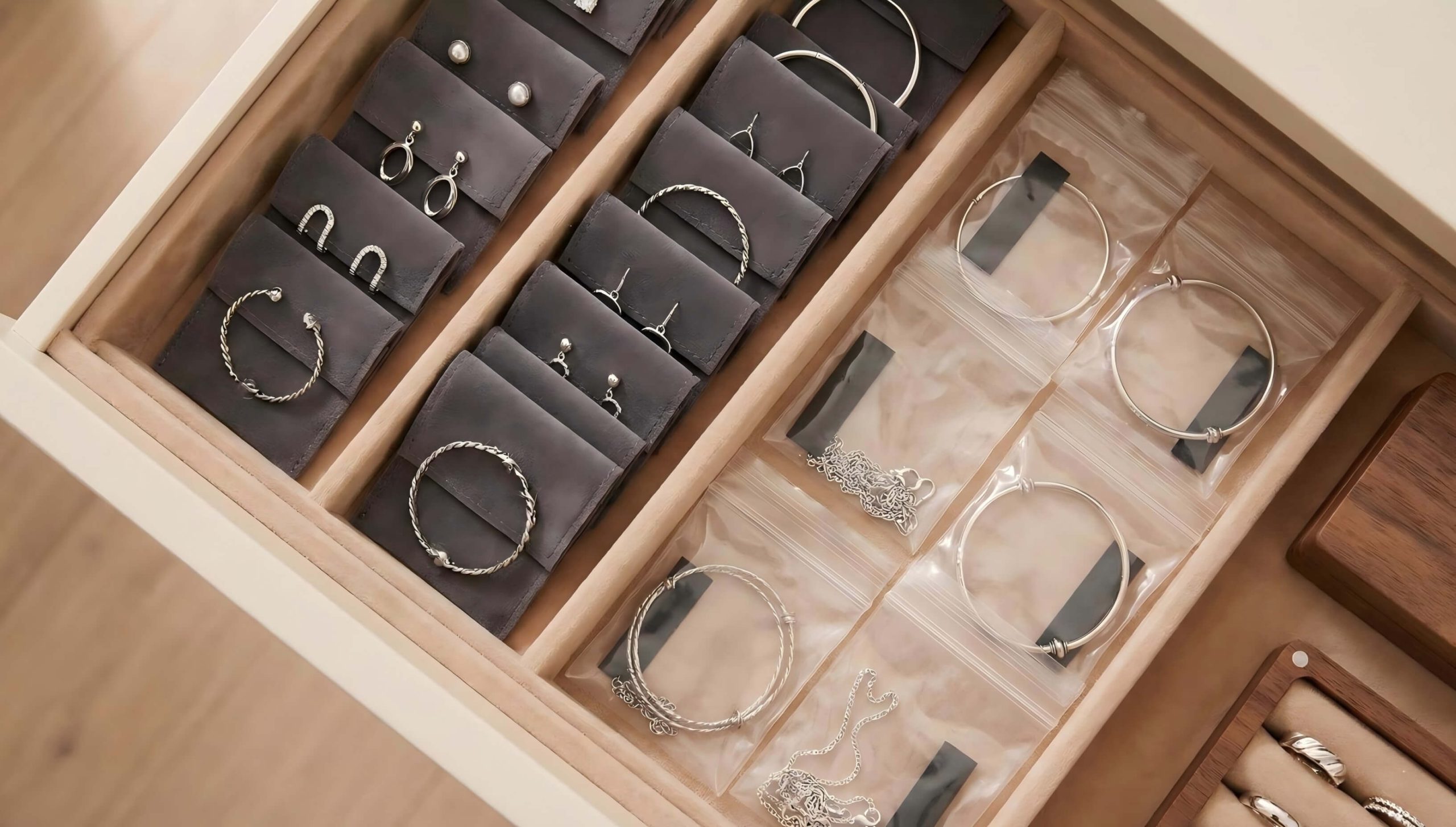
With proper care—removing before sports, showering, and household chores—silver plated bracelets can retain their shine for 1-2 years. Store them in individual soft pouches to prevent scratching when not worn.
Silver Plated Necklaces: 1 to 3 Years
Necklaces generally have the best longevity among frequently-worn silver plated pieces. They experience minimal friction since they rest against clothing or skin without constant surface contact. The primary threats are body oils, perfumes, and sweat—particularly during warmer months.
A well-maintained silver plated necklace can last 1-3 years. The clasp area often shows wear first due to the friction from opening and closing. Wiping your necklace with a soft cloth after each wear significantly extends its lifespan.
Silver Plated Earrings: 2 to 4 Years
Earrings typically last the longest among silver plated jewelry because they experience minimal friction and surface contact. Unless you’re constantly touching them, earrings primarily face exposure to hair products, perfumes, and occasional skin oils.
Follow the “last on, first off” rule: put earrings on after applying hair products and makeup, and remove them before your nighttime skincare routine. With this approach, quality silver plated earrings can maintain their appearance for 2-4 years.
Silver Plated Anklets: 6 to 12 Months
Anklets face a challenging environment: sweat, friction from shoes and socks, and exposure to sand, water, and dirt during warm-weather activities. Daily-wear anklets often show wear within months. Reserve silver plated anklets for special occasions, or choose sterling silver for regular beach or summer wear.
Silver Plated Jewelry Lifespan: Quick Reference Chart
Jewelry Type | Daily Wear | Occasional Wear | With Proper Care |
|---|---|---|---|
Rings | 6-12 months | 1-2 years | 2+ years |
Bracelets | 1-1.5 years | 2-3 years | 3+ years |
Necklaces | 1-2 years | 2-3 years | 3-4 years |
Earrings | 2-3 years | 3-4 years | 4-5 years |
Anklets | 3-6 months | 6-12 months | 1-2 years |
7 Key Factors That Affect Silver Plated Jewelry Durability
Understanding these factors helps you make informed purchasing decisions and care for your jewelry more effectively:
- Plating Thickness
As discussed, thicker plating (1-2.5+ microns) dramatically increases longevity. Premium jewelry brands invest in heavier plating, while fast-fashion pieces typically use flash plating under 0.5 microns.
- Base Metal Quality
The metal beneath the silver plating significantly impacts durability. Stainless steel bases offer the best corrosion resistance and help the plating adhere longer. Brass is sturdy but can tarnish, potentially affecting the silver layer. Copper is affordable but oxidizes quickly, often causing green skin discoloration as the plating wears.
- Wear Frequency
Daily wear accelerates plating erosion through constant friction. Rotating between multiple pieces and reserving silver plated jewelry for special occasions significantly extends lifespan.
- Chemical Exposure
Perfumes, lotions, hairsprays, cleaning products, chlorine (pools), and even certain foods contain chemicals that accelerate tarnishing and plating degradation. The sulfur in common items like rubber bands, eggs, and wool can cause rapid discoloration.
- Moisture & Humidity
Water exposure—from showering, swimming, handwashing, or sweating—is one of the biggest threats to silver plated jewelry. Moisture facilitates the chemical reactions that cause tarnishing and can penetrate microscopic imperfections in the plating, reaching the base metal and causing corrosion from within.
- Body Chemistry
Individual body chemistry affects how quickly silver plated jewelry tarnishes. Some people have more acidic skin pH or produce sweat with higher sulfur content, causing their jewelry to discolor faster than others wearing identical pieces.
- Storage Conditions
Improper storage—leaving jewelry exposed to air, humidity, or in contact with other metals—accelerates tarnishing even when pieces aren’t being worn. The oxidation process continues 24/7 if jewelry is left unprotected.
Does Silver Plated Jewelry Tarnish? Understanding Oxidation
Yes, silver plated jewelry does tarnish—and understanding why helps you prevent it more effectively.
Tarnishing occurs when silver reacts with sulfur compounds in the air (hydrogen sulfide) and moisture, forming silver sulfide on the surface. This chemical process, called oxidation, creates the yellowish, brownish, or blackish discoloration that diminishes your jewelry’s shine.
Common Signs of Tarnishing and Wear
- Yellow or brown tinge: Early stage tarnishing, usually cleanable
- Black spots or streaks: Advanced oxidation requiring thorough cleaning
- Dull, cloudy appearance: Loss of reflective quality from surface buildup
- Green discoloration on skin: Base metal (usually copper) exposed and reacting with moisture
- Flaking or peeling: Plating has worn through—cannot be reversed with cleaning
- Visible scratches exposing different-colored metal: Plating damage requiring replating to restore
Important: Tarnish can often be cleaned away, but wear-through and peeling cannot. Once the base metal is exposed, the only solutions are professional replating or replacement.
How to Make Silver Plated Jewelry Last Longer: 12 Expert Tips
Proper care can dramatically extend your silver plated jewelry’s lifespan. According to a Jewellery Consumer Insights Report, over 70% of consumers who followed proper care practices kept their silver plated pieces looking great for more than 2 years. Here’s how to join them:
Daily Wear Habits
- Apply the “Last On, First Off” rule: Put jewelry on after perfume, lotion, hairspray, and makeup have dried. Remove it before washing hands, showering, or applying skincare products.
- Remove before water activities: Always take off silver plated jewelry before swimming, showering, doing dishes, or exercising. Pool chlorine and ocean salt are particularly damaging.
- Rotate your pieces: Don’t wear the same silver plated piece every day. Rotation allows each piece to “rest” and reduces cumulative wear.
- Avoid chemical contact: Remove jewelry before cleaning with household products, especially anything containing ammonia or bleach.
Proper Storage
- Store in individual soft pouches: Prevents scratching from contact with other jewelry and reduces air exposure.
- Use anti-tarnish strips: Place anti-tarnish strips or silica gel packets in your jewelry box to absorb moisture and sulfur compounds.
- Keep in a cool, dry place: Avoid storing jewelry in bathrooms where humidity is high. A bedroom drawer or closet is ideal.
- Avoid rubber and felt: These materials contain sulfur that accelerates tarnishing. Use cotton or microfiber pouches instead.
Cleaning Best Practices
- Wipe after every wear: Use a soft, lint-free microfiber cloth to remove oils, sweat, and residue after each use.
- Clean gently when needed: For tarnish, use mild dish soap (phosphate-free) in lukewarm water. Gently clean with a soft cloth, rinse thoroughly, and dry immediately.
- Avoid abrasives: Never use baking soda paste, abrasive polishing compounds, or paper towels—they can scratch and thin the plating.
- Use specialized silver polish sparingly: Commercial silver polish can be used occasionally but apply gently to avoid wearing away the thin plating layer.
Silver Plated vs Sterling Silver: Which Should You Choose?
Understanding the differences helps you make the right choice for your needs and budget:
Factor | Silver Plated | Sterling Silver (925) |
|---|---|---|
Composition | Thin silver layer over base metal | 92.5% pure silver + 7.5% alloy (usually copper) |
Typical Lifespan | 6 months – 4 years | Lifetime with proper care |
Price Range | $5 – $50 | $30 – $300+ |
Tarnishing | Yes, plus plating can wear off | Yes, but easily polished |
Replating/Repair | Possible but often costs more than replacement | Can be polished indefinitely |
Best For | Trendy pieces, special occasions, budget shopping | Daily wear, heirlooms, long-term investment |
Identification | Often marked “SP” or “EP” (electroplated) | Stamped “925” or “Sterling” |
Bottom Line: Silver plated jewelry is excellent for fashion-forward pieces you’ll wear occasionally or trendy styles that may go out of fashion. For everyday staples, engagement rings, wedding bands, or pieces with sentimental value, invest in sterling silver or solid precious metals for lasting durability.
Can Silver Plated Jewelry Be Replated?
Yes, silver plated jewelry can be professionally replated, but there are important considerations:
- Cost: Professional replating typically costs $20-$50+ per piece, often exceeding the original purchase price of budget jewelry.
- Quality: Results depend on the jeweler’s skill and the condition of the base metal. Damaged or corroded base metals may not hold new plating well.
- When it’s worth it: Consider replating for sentimental pieces, designer jewelry, or items with high-quality construction that justify the investment.
- When to replace instead: For inexpensive fashion jewelry, purchasing a replacement is usually more economical than replating.
Frequently Asked Questions
Is silver plated jewelry real silver?
Yes, the outer layer is real silver, but it’s very thin (typically 0.5-2.5 microns). The majority of the piece is base metal, which is why it’s significantly less expensive than solid silver jewelry.
Can you shower with silver plated jewelry?
No, it’s strongly advised to remove silver plated jewelry before showering. Water exposure, combined with soap and shampoo chemicals, accelerates plating wear and can cause rapid tarnishing.
Why does silver plated jewelry turn my skin green?
The green discoloration comes from the copper in the base metal reacting with your sweat and skin oils. This typically happens once the silver plating has worn thin enough for the base metal to contact your skin. It’s harmless but indicates the plating is wearing out.
How do I know if my jewelry is silver plated vs sterling silver?
Look for hallmarks: Sterling silver is stamped “925” or “Sterling.” Silver plated items may be marked “SP,” “EP” (electroplated), “EPNS” (electroplated nickel silver), or have no marking at all. Price is another indicator—genuine sterling silver costs significantly more.
Is silver plated jewelry good for daily wear?
Silver plated jewelry is better suited for occasional wear than daily use. For everyday pieces—especially rings and bracelets that experience high friction—sterling silver, stainless steel, or gold-filled jewelry offers much better durability.
How often should I clean silver plated jewelry?
Wipe with a soft cloth after every wear to remove oils and residue. Deep cleaning with mild soap and water should be done only when you notice tarnishing—over-cleaning can wear the plating faster.
Final Thoughts: Making the Most of Your Silver Plated Jewelry
Silver plated jewelry offers an affordable way to enjoy silver’s elegant appearance without the premium price tag. While it won’t last as long as sterling silver or solid precious metals, understanding its limitations helps you set realistic expectations and care for your pieces appropriately.
With quality plating (1+ microns), proper care, and sensible wear habits, your silver plated jewelry can maintain its beauty for 2-4 years or longer. The keys to maximizing lifespan are: keeping it dry, storing it properly, cleaning it gently, and rotating your pieces.
For fashion-forward trendy pieces and special-occasion jewelry, silver plated options are excellent choices. For everyday staples, heirloom pieces, or anything with significant sentimental value, consider investing in sterling silver or other durable precious metals that will stand the test of time.
Whatever you choose, the right care habits will help you enjoy your jewelry collection for years to come.