
The Ultimate Guide: Definition, Identification, Care & Everything You Need to Know
If you’ve ever browsed jewelry online or walked through a department store, you’ve likely encountered the term “silver plated.” But what is silver plated jewelry exactly, and how does it differ from sterling silver or pure silver? Understanding the difference can save you money, prevent allergic reactions, and help you make smarter purchasing decisions.
In this comprehensive guide, we’ll explore everything about silver plated jewelry—from its manufacturing process and how to identify it, to proper care techniques and whether it’s worth your investment. By the end, you’ll have all the knowledge needed to shop confidently.
What Does “Silver Plated” Mean?
Silver plated jewelry refers to items made from a base metal—typically copper, brass, or nickel—that has been coated with a thin layer of pure silver or sterling silver. The silver coating ranges from 1 to 10 microns thick (for reference, a human hair is approximately 70 microns), giving the piece the lustrous appearance of solid silver at a fraction of the cost.
So, is silver plated real silver? Yes and no. The outer layer is genuine silver, but the core is a different, less expensive metal. This is why silver plated items are significantly more affordable than their solid silver counterparts.
A Brief History of Silver Plating
Silver plating has a fascinating history dating back to the 1740s in Sheffield, England—which is why early plated items are sometimes called “Sheffield Plate.” The original process involved fusing a thin sheet of silver to copper through heat and pressure.
The game changed in the 1840s with the invention of electroplating—a revolutionary process that uses electrical current to deposit silver ions onto a base metal. This technique remains the standard method for creating silver plated jewelry today, allowing for more precise control over coating thickness and uniformity.
How Silver Plated Jewelry Is Made
Understanding the manufacturing process helps explain both the benefits and limitations of silver plated metal:
- Surface Preparation: The base metal (usually brass, copper, or nickel alloy) is thoroughly cleaned and polished to ensure proper adhesion.
- Electroplating Bath: The item is submerged in an electrolyte solution containing silver salts (typically silver cyanide or silver nitrate).
- Electrical Current: An electric current passes through the solution, causing silver ions to bond to the base metal’s surface.
- Finishing: The plated piece is polished and may receive additional protective coatings.
The thickness of the silver layer directly impacts durability. Higher-quality silver plated jewelry typically features thicker plating (5-10 microns), while budget pieces may have only 1-2 microns of silver.
Silver Plated vs Sterling Silver vs Pure Silver: Complete Comparison
One of the most common questions is “what’s the difference between silver plated and sterling silver?” Here’s a comprehensive breakdown:
Characteristic | Silver Plated | Sterling Silver (925) | Pure/Fine Silver (999) |
|---|---|---|---|
Silver Content | Surface only (1-10 microns) | 92.5% throughout | 99.9% throughout |
Base Metal | Copper, brass, or nickel | 7.5% copper alloy | None |
Price Range | $5-50 | $30-300+ | $50-500+ |
Durability | Low (2-5 years) | High (lifetime) | Low (too soft) |
Tarnish Resistance | Low | Moderate | Higher |
Hypoallergenic | No | Mostly yes | Yes |
Hallmark | EP, SP, EPNS | 925, Sterling | 999, Fine Silver |
Resale Value | None | Yes (based on silver price) | Yes (highest) |
Best For | Fashion/occasional wear | Daily wear/heirlooms | Investment/display |
Key Insight: When comparing 925 silver vs silver plated, remember that 925 (sterling silver) contains 92.5% pure silver throughout the entire piece, while silver plated items only have silver on the surface. This fundamental difference affects durability, value, and hypoallergenic properties.
How to Tell If Jewelry Is Silver Plated: 6 Reliable Methods
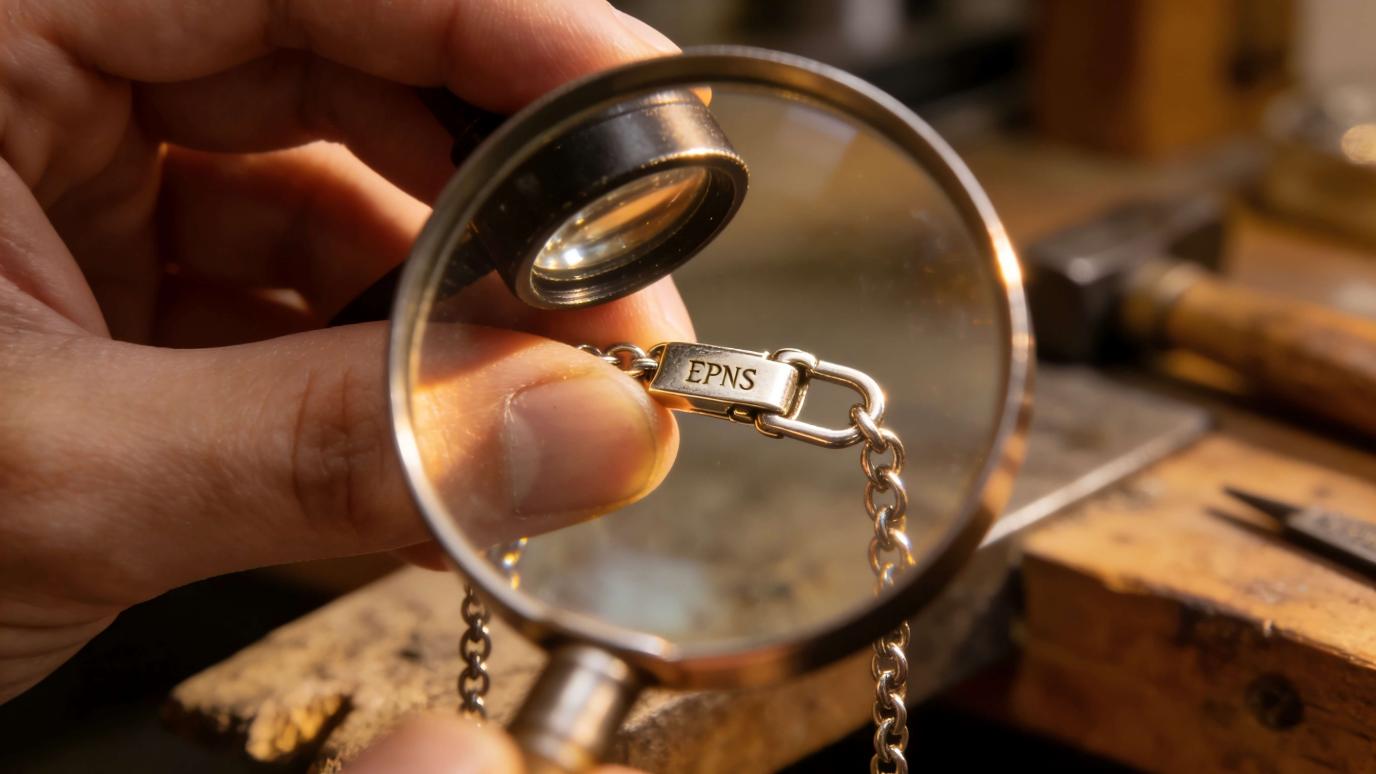
Knowing how to tell if jewelry is silver plated can save you from overpaying or being misled. Here are proven identification techniques:
1. Check for Hallmarks and Stamps
This is the most reliable method. Look for these common markings:
- “925” or “Sterling” = Genuine sterling silver (92.5% pure silver)
- “EP” (Electroplated) = Silver plated
- “SP” (Silver Plated) = Silver plated
- “EPNS” (Electroplated Nickel Silver) = Silver plated on nickel alloy base
- No marking = Likely silver plated or costume jewelry
Pro Tip: Use a magnifying glass to examine clasps, ring interiors, or the back of pendants where stamps are typically located.
2. The Magnet Test
Silver is not magnetic. If a magnet sticks to your jewelry, the base metal contains iron or steel—meaning it’s definitely not solid silver. However, this test has limitations: many base metals used in silver plating (like brass or copper) are also non-magnetic, so a negative result doesn’t confirm sterling silver.
3. Weight and Feel Assessment
Sterling silver has a distinct heft to it. Silver plated jewelry often feels lighter because base metals like aluminum or thin brass weigh less than solid silver. With experience, you can often identify plated pieces simply by their weight.
4. Look for Wear Patterns
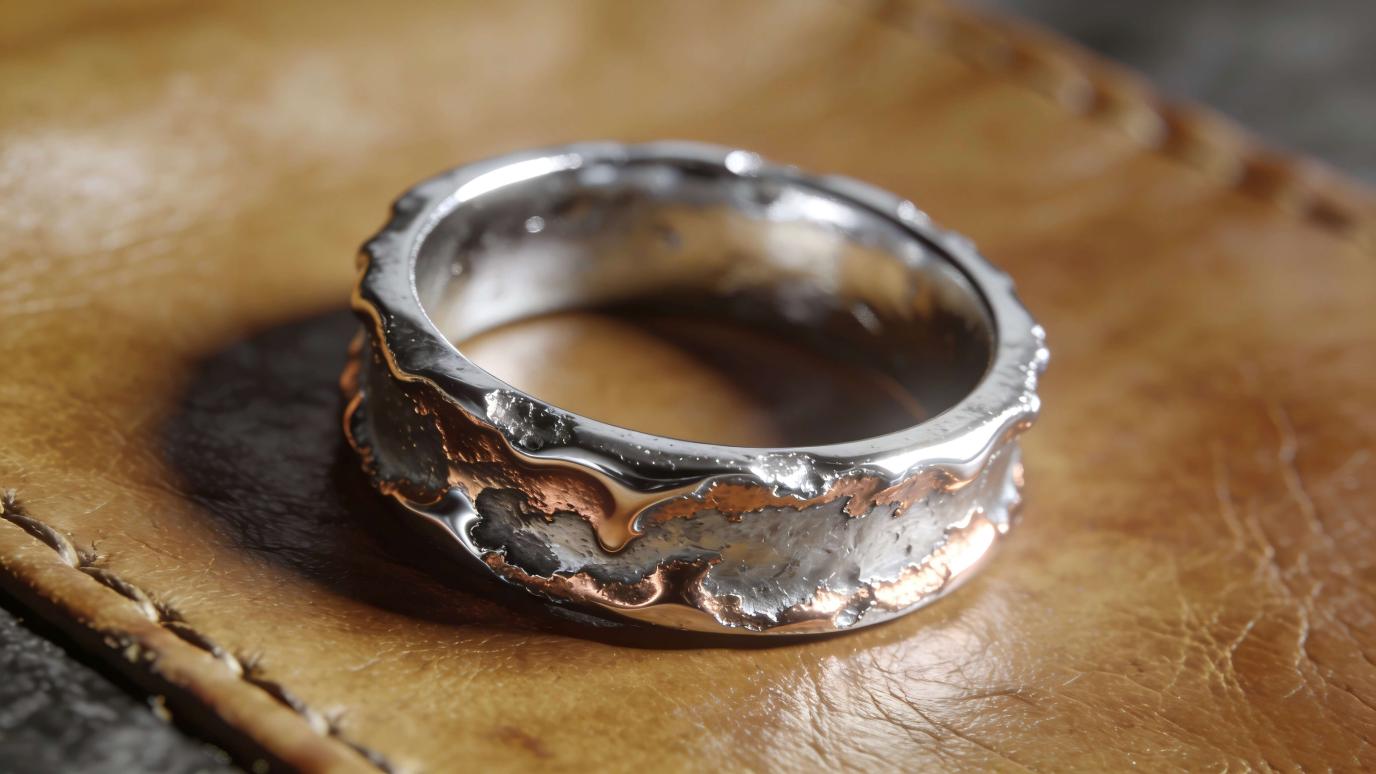
Examine areas of high friction—clasps, edges, and frequently touched surfaces. If you see a different colored metal showing through (often yellowish brass or reddish copper), the piece is silver plated and showing wear.
5. The Ice Test
Silver has the highest thermal conductivity of any metal. Place an ice cube on the jewelry—if it melts rapidly (faster than it would on your countertop), you likely have real silver. This works for both sterling and silver plated items, but plated pieces may respond slightly slower due to the base metal underneath.
6. Professional Testing
For valuable pieces, consider professional verification:
- Acid Test: A jeweler applies nitric acid to a small scratch—different reactions indicate different metals
- XRF Spectrometry: Non-destructive X-ray analysis provides exact metal composition
Silver Plated Jewelry: Pros and Cons
Is silver plated jewelry worth buying? That depends on your needs. Here’s an honest assessment:
Advantages
- Affordability: Achieve the silver look at 70-90% less cost than sterling silver
- Fashion Flexibility: Experiment with trendy styles without major investment
- Identical Appearance: When new, indistinguishable from solid silver to the naked eye
- Travel-Friendly: Less worry about loss or theft compared to expensive pieces
- Variety: Wider selection of designs available due to lower production costs
Disadvantages
- Limited Lifespan: Plating wears off over time, typically lasting 2-5 years with regular wear
- Tarnishing Issues: More prone to tarnishing, and restoration is more difficult than with solid silver
- Allergy Concerns: Base metals (especially nickel) can cause skin reactions once plating wears thin
- No Investment Value: Cannot be resold or melted for metal value like sterling silver
- Environmental Sensitivity: More vulnerable to damage from water, chemicals, and humidity
Common Concerns About Silver Plated Jewelry
Does Silver Plated Jewelry Tarnish?
Yes, silver plated jewelry tarnishes—often faster than sterling silver. The thin silver layer reacts with sulfur compounds in the air, moisture, and everyday chemicals (perfume, lotion, sweat) to form silver sulfide, which appears as a dull, darkened surface.
The challenge with tarnished silver plated jewelry is that aggressive cleaning can remove the plating entirely. Unlike sterling silver, which can be polished back to brightness countless times, silver plated items require gentler approaches.
Does Silver Plated Jewelry Turn Your Skin Green?
This is one of the most common concerns, and the answer is: it can. The green discoloration isn’t caused by the silver itself but by the copper in the base metal reacting with moisture and your skin’s natural acids.
When the silver plating wears thin—particularly in areas like ring interiors or bracelet clasps—the copper base becomes exposed. The resulting green marks are harmless copper carbonate (the same compound that gives the Statue of Liberty its green patina) and wash off easily with soap and water.
Prevention Tip: Apply clear nail polish to the inner surfaces of rings and bracelets to create a barrier between your skin and the metal.
How Long Does Silver Plated Jewelry Last?
The lifespan of silver plated jewelry depends on several factors:
- Plating Thickness: Higher quality pieces (5-10 microns) last significantly longer than budget options (1-2 microns)
- Wear Frequency: Daily wear accelerates degradation; occasional pieces last longer
- Care Practices: Proper storage and cleaning extend lifespan considerably
- Environmental Exposure: Humidity, chemicals, and water contact speed deterioration
General expectation: With proper care, quality silver plated jewelry can maintain its appearance for 2-5 years. Budget pieces may show wear within months.
Is Silver Plated Jewelry Hypoallergenic?
No, silver plated jewelry is not hypoallergenic. While the silver coating itself rarely causes reactions, the base metal—particularly nickel—is a common allergen. As plating wears, nickel-sensitive individuals may experience redness, itching, or rashes.
If you have metal sensitivities, look for pieces labeled “nickel-free” or opt for sterling silver, which is far less likely to cause reactions.
How to Clean and Care for Silver Plated Jewelry
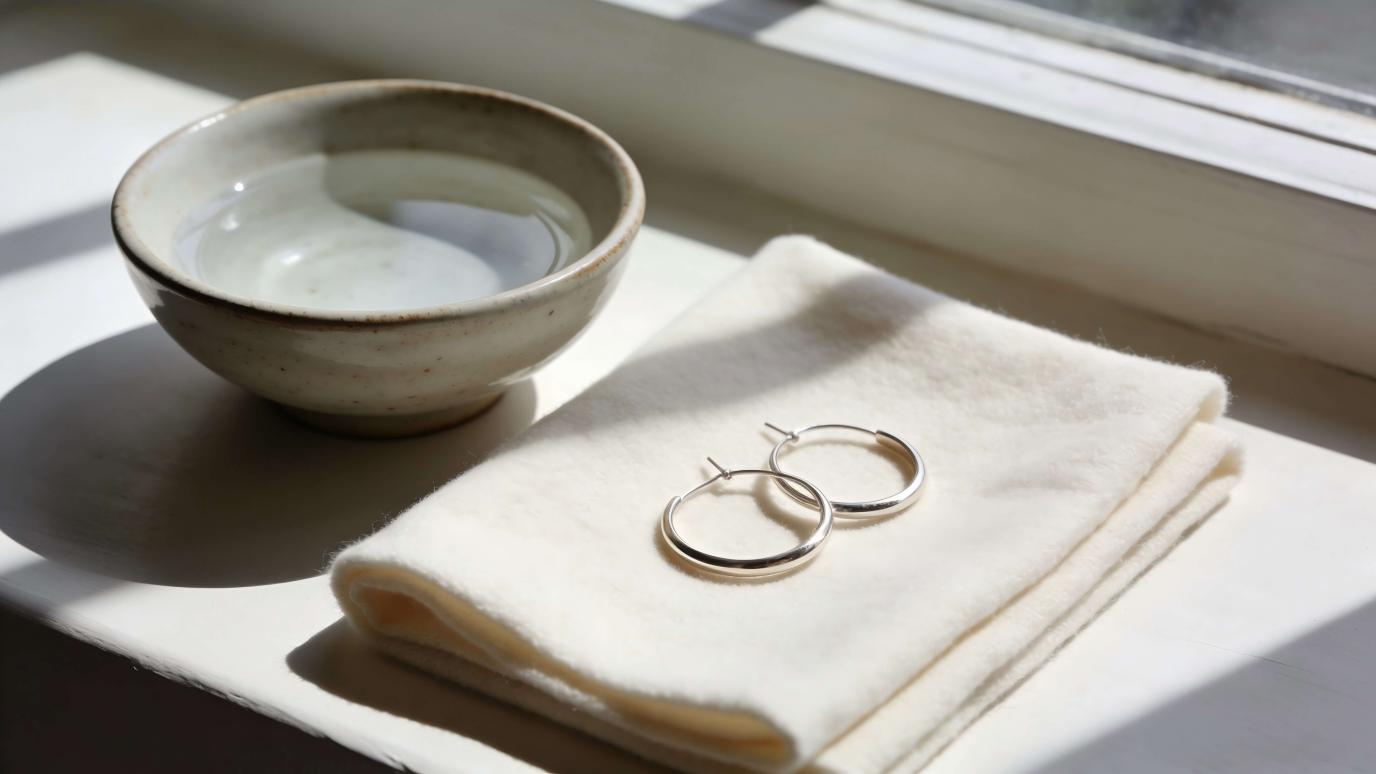
Proper care is essential for maximizing the lifespan of your silver plated pieces. Here’s a comprehensive guide:
Daily Care Habits
- Remove before showering, swimming, or exercising—moisture is the primary enemy
- Apply perfume, lotion, and hairspray before putting on jewelry—let products dry first
- Wipe pieces with a soft cloth after wearing—removes skin oils that accelerate tarnishing
- Store in airtight containers or anti-tarnish bags—limits air exposure
How to Clean Silver Plated Jewelry
For light cleaning:
- Mix a few drops of mild dish soap with warm water
- Dip a soft, lint-free cloth into the solution
- Gently wipe the jewelry (never scrub)
- Rinse with clean water and dry immediately
For tarnish removal (use sparingly):
- Line a bowl with aluminum foil, shiny side up
- Add 1 tablespoon baking soda and 1 tablespoon salt
- Pour in hot (not boiling) water
- Submerge jewelry for 2-5 minutes maximum
- Rinse thoroughly and dry with a soft cloth
What to Avoid
- Abrasive cleaners or polishing compounds—strips plating
- Ultrasonic jewelry cleaners—too aggressive for plated items
- Chlorinated water (pools/hot tubs)—rapidly deteriorates plating
- Rubber bands for storage—sulfur in rubber accelerates tarnishing
- Commercial silver polish—designed for solid silver, too harsh for plating
Should You Buy Silver Plated Jewelry? A Buying Guide
Silver plated jewelry can be an excellent choice—or a poor investment—depending on your specific situation. Here’s when each option makes sense:
Choose Silver Plated When:
- You want to follow trends without major investment
- The piece will be worn occasionally rather than daily
- You’re buying costume jewelry for specific outfits
- Budget is a primary concern
- You’re purchasing for travel or situations where loss is possible
Choose Sterling Silver When:
- You plan to wear the piece daily
- You have sensitive skin or nickel allergies
- You want jewelry that can be passed down
- Investment value matters to you
- You prefer pieces that can be professionally cleaned and restored indefinitely
Quality Indicators to Look For
If you decide to purchase silver plated jewelry, look for these quality markers:
- Plating thickness disclosure (reputable sellers specify micron thickness)
- Base metal identification (brass or copper are better than unknown alloys)
- Nickel-free certification (for allergy concerns)
- Return policy and warranty (quality sellers stand behind their products)
- Customer reviews mentioning longevity (real-world durability feedback)
Can Silver Plated Jewelry Be Replated?
Yes, worn silver plated jewelry can be professionally replated. The process involves:
- Stripping the old, damaged plating
- Polishing and preparing the base metal
- Applying a fresh silver layer through electroplating
Cost consideration: Replating typically costs $20-75 depending on the piece size and jeweler rates. For inexpensive fashion jewelry, replacement is often more economical than replating. However, for sentimental pieces or high-quality items with thick original plating, replating can extend the jewelry’s life significantly.
Frequently Asked Questions
Is silver plated jewelry waterproof?
No. Water—especially chlorinated, saltwater, or soapy water—accelerates plating deterioration. Always remove silver plated jewelry before swimming, showering, or washing dishes.
Can you wear silver plated jewelry every day?
You can, but expect faster wear. Daily use will significantly shorten the lifespan of the plating. For everyday pieces, sterling silver is a better investment.
Does silver plated jewelry rust?
Silver itself doesn’t rust (only iron rusts). However, if the base metal contains iron or steel, rust can develop once the plating wears through. Most quality silver plated jewelry uses brass or copper bases, which don’t rust but can develop patina.
What’s the difference between silver plated and silver tone?
Silver plated jewelry has actual silver on the surface. “Silver tone” or “silver color” jewelry contains no silver at all—it’s simply colored to look silver-like. Silver tone pieces are the lowest quality and most affordable option.
Is gold-plated sterling silver better than regular silver plated?
Gold vermeil (gold-plated sterling silver) has a sterling silver base rather than brass or copper. This means if the gold wears off, you still have quality silver underneath. Regular silver plated jewelry has a base metal core with no intrinsic value.
Final Thoughts
Silver plated jewelry serves a valuable purpose in the market—it offers the beauty of silver at accessible price points, making elegant jewelry available to virtually everyone. Understanding what silver plated jewelry is, how to identify it, and how to care for it allows you to make informed purchasing decisions and get the most value from your pieces.
Remember: there’s nothing wrong with choosing silver plated jewelry when it suits your needs. The key is knowing what you’re buying and setting realistic expectations for longevity and care requirements. Whether you opt for fashion-forward plated pieces or invest in sterling silver heirlooms, the best jewelry is the jewelry you love wearing.
Key Takeaway: Silver plated jewelry is a thin silver coating over base metal. It’s affordable and beautiful when new, but requires gentle care and won’t last as long as sterling silver. Choose based on your budget, wear frequency, and whether you have metal sensitivities.